Unless you've been sleeping under a rock these last few track seasons, you've likely heard of Vitour. They released their Vitour Tempesta P01R tire and not only quickly started setting records, but also found the tire banned from SCCA racing for the year. Now to some that may sound like a negative, but that was a stroke of marketing magic as they were clearly the tire to get when they were legalized for next season. Sure enough, Vitour increased their tread depth to 7/32", got approved for use with SCCA, and have been taking over podiums and article comparisons ever since.
Vitour didn't stop there though, they release a more autocross or light car friendly version of the P01R's, the P01X... and then they decided to go after the 100TW market with their new tire, The Sonic.
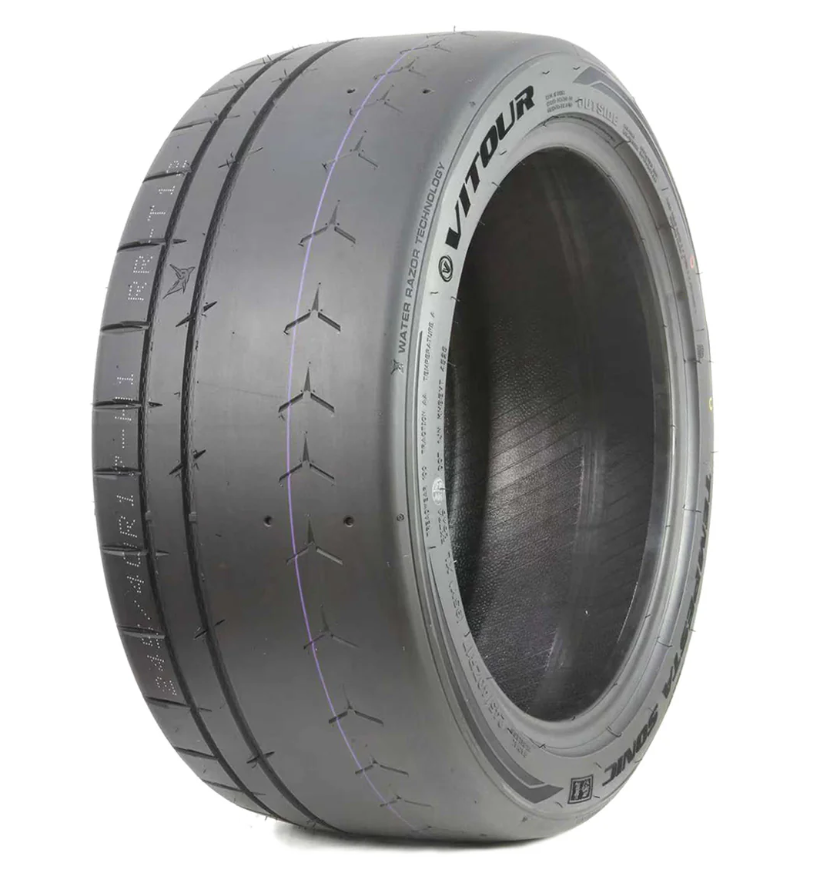
Now that's a sexy tire by all accounts! The Vitour Sonic is the better part of a semi slick, with near slick rubber out towards the part that matters for cornering your car. If all Vitour did was take the previous tires and just increase the amount of rubber on the ground, they for sure had a winner on their hands.
Then Vitour one-upped themselves yet again, and declared that the tire would be a 200tw tire with almost no differences between the versions. To the uninitiated that may not seem like a big deal, but to competitors in "street tire" limited race classes... this was going to take the performance ceiling of competition up yet another notch!
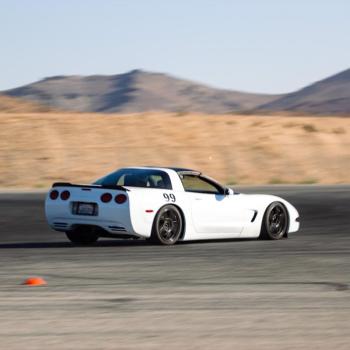
So with all this hype, how do the tires perform? Well our author Shred Jesse got ahold of a set on his C5 Corvette, and near as we can tell he's one of the first few folks to not just run this tire, but get on the podium several times over with it! Let's see what his findings were!
How The Tires Worked Out, and Then Didn't.
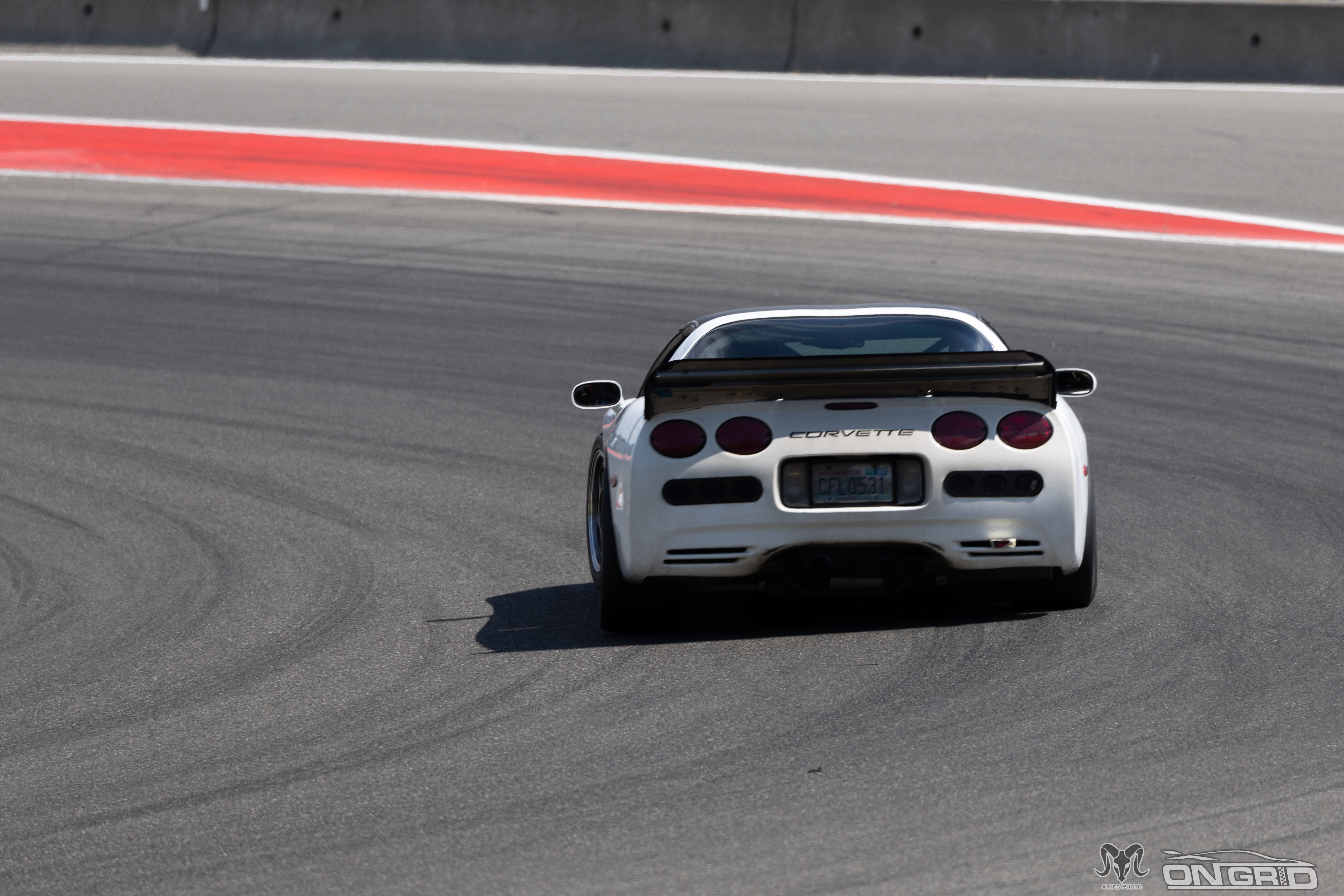
Shred Jesse Received the tires in the early winter of 2026, which in his local region of the Pacific Northwest, is pretty much a no go for car events. That gave Jesse plenty of time to mount the tires up, and in general get a good look at them.
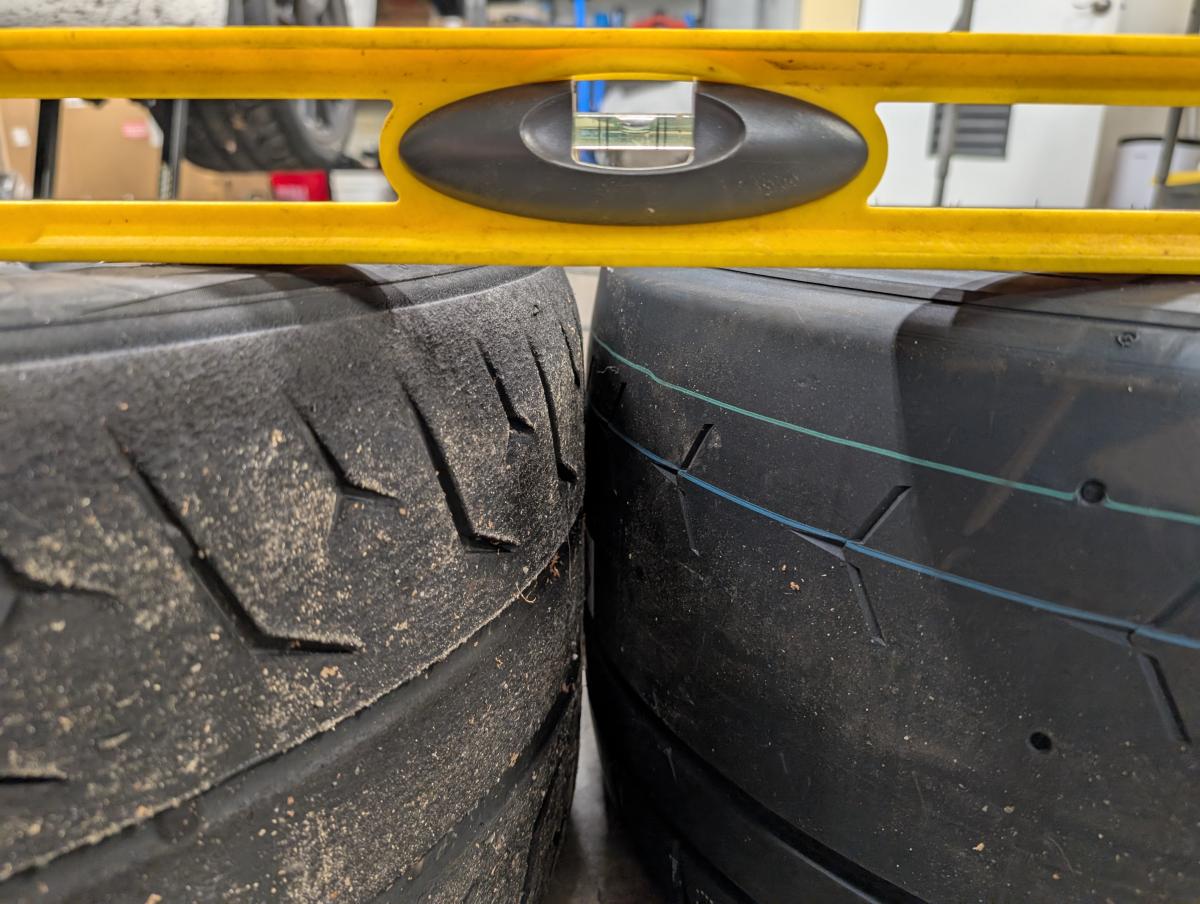
One thing Jesse was quick to capture was that the Vitour Sonic tires run WIDE. Jesse's C5 Corvette was going to be running 305/35R18 tires for the upcoming season, an odd tire size choice for the C5 Corvette, but a limit placed on the car by competing with OnGrid in their GT time attack class. This gave Jesse a good opportunity to put the 315 Vitour Sonic next to a Continental ECF in 315/30R18 that he had laying around the shop. As you can see pictured above based on the level in the center, the Vitour Sonic on the right is taller than the Continental ECF on the left, despite being 10mm narrow supposedly.... and the Conti ECF isn't exactly known for running anything but wide to begin with.
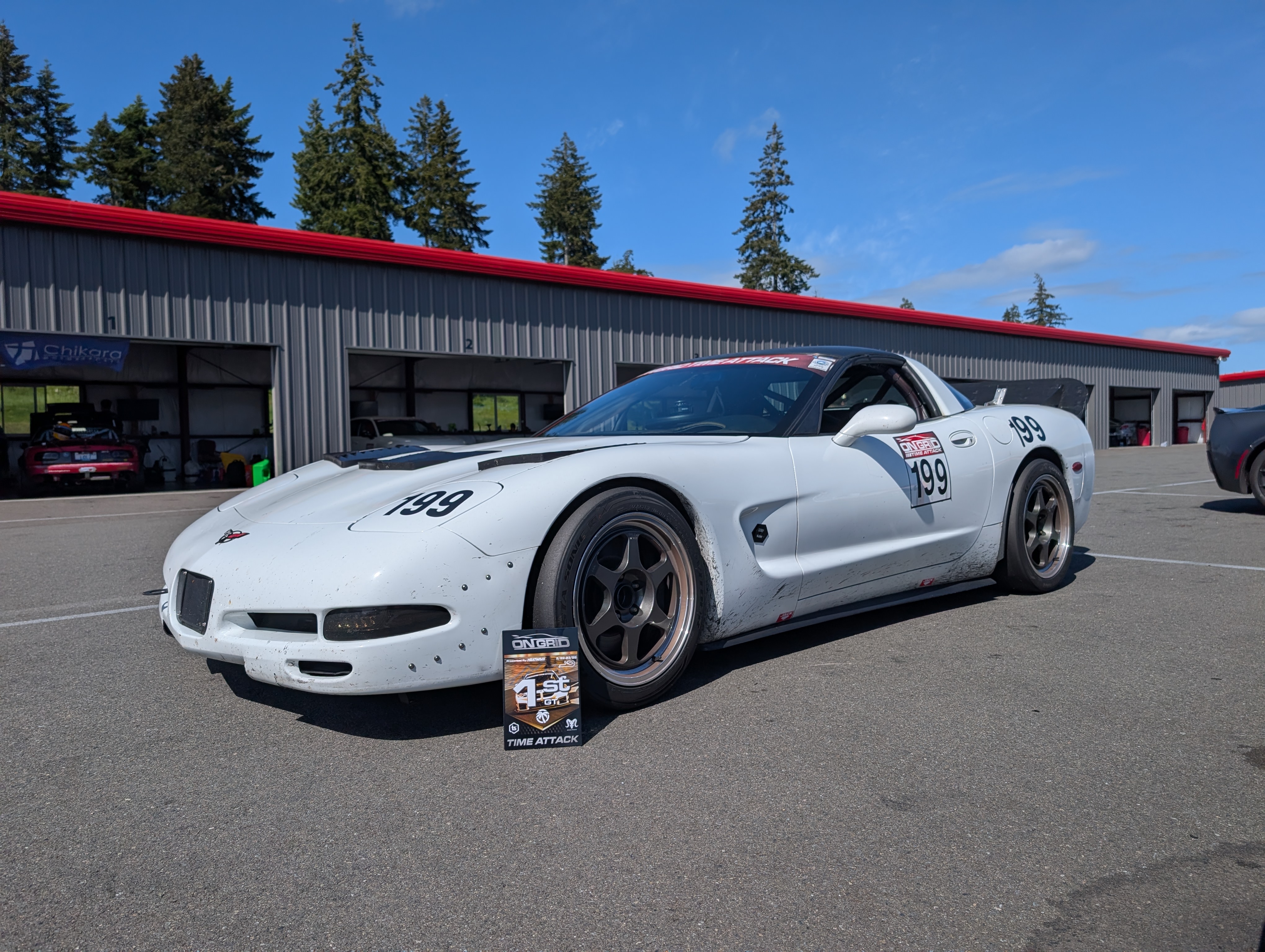
As the season began, Jesse competed with OnGrid through several events, and was able to secure two first place podium finishes, along with setting some personal best lap times out on track. He was impressed by the tires and their exceptional grip once warm. He noted some issues worth calling out though that they needed a good two laps to get up to temperature, understeered oddly when cold, and jumped nearly 10psi in pressure from cold to back to pit post session pressures.
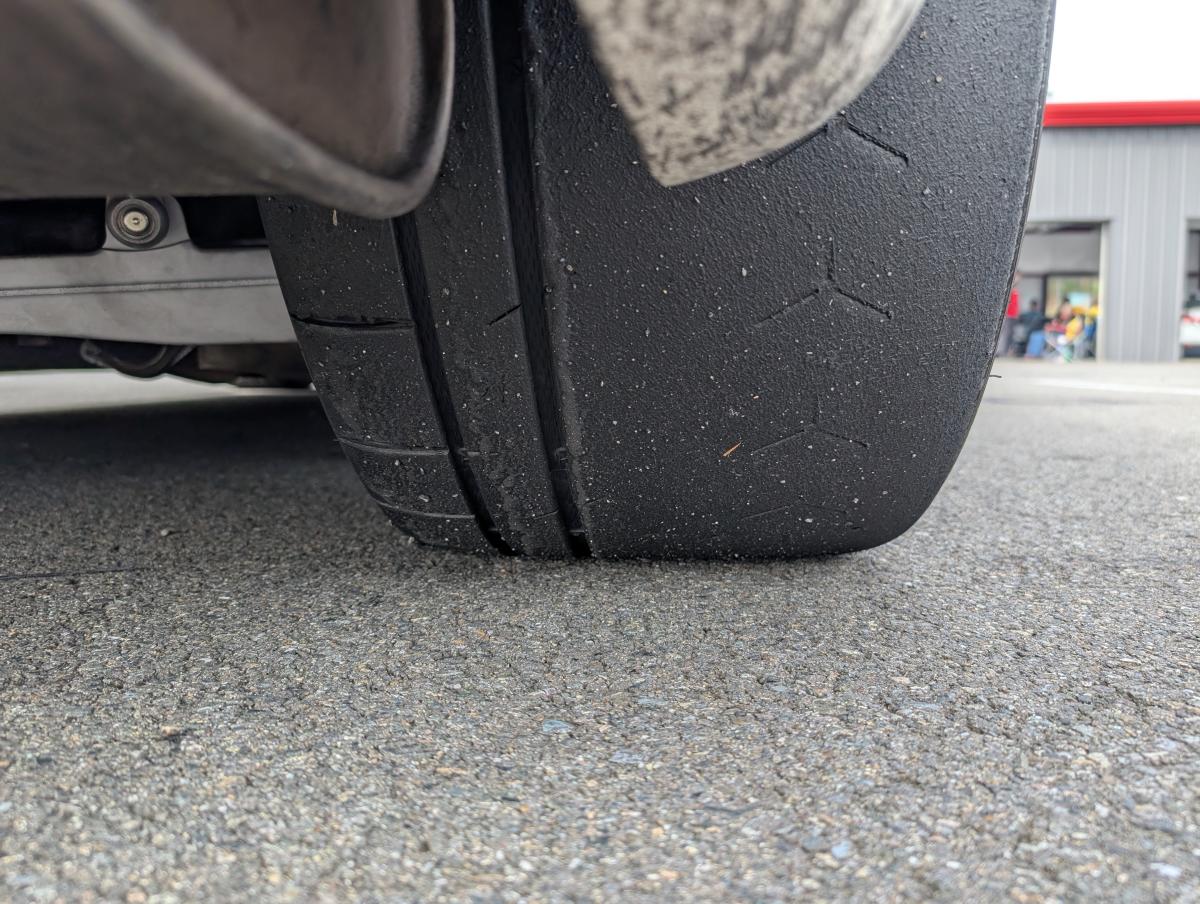
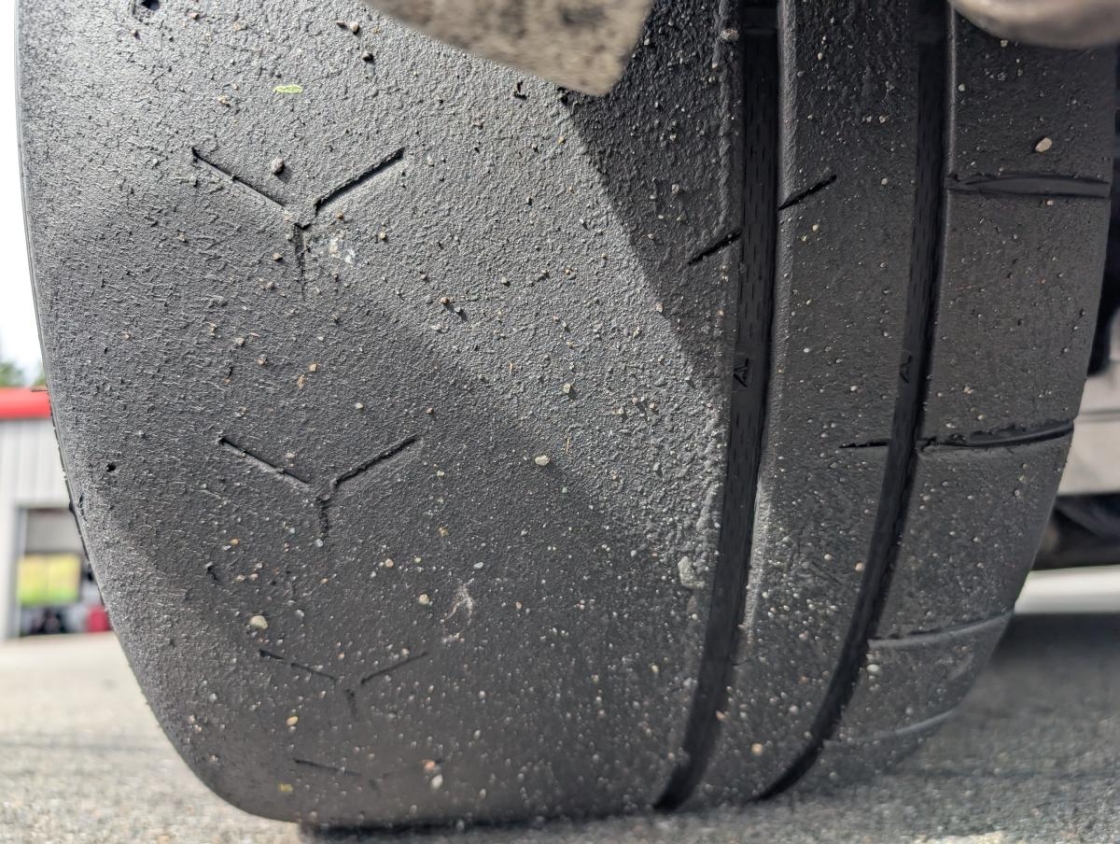
Here's a good picture of the tire wear Jesse experienced at first on the Vitour Sonic after two events / four days of driving with OnGrid. Pretty much no tire wear, though the outside edge pst the inner V pattern did seem to have a bit of extra wear.
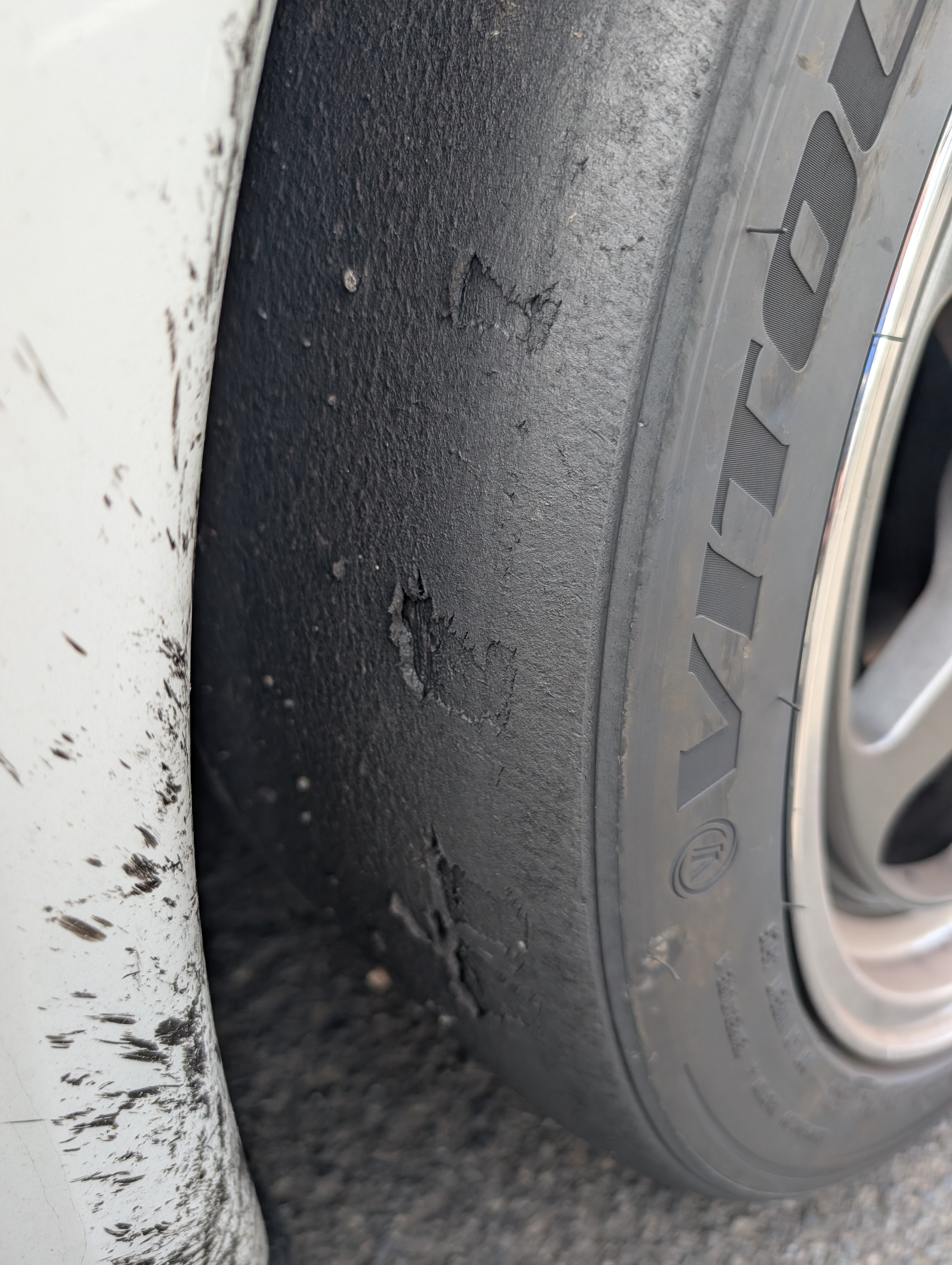
Unfortunately, at Jesse's fifth day on the tires, things took a turn for the worse, as come lunch time a friend pointed out that the tires were starting to peel on the edges, showing cords in places. This put a bit of a damper on continuing, but fortunately Jesse had the Dead to Shred C5 Corvette to hop in, and he honestly needed to be driving it as we've got another iteration of the article series due out soon!
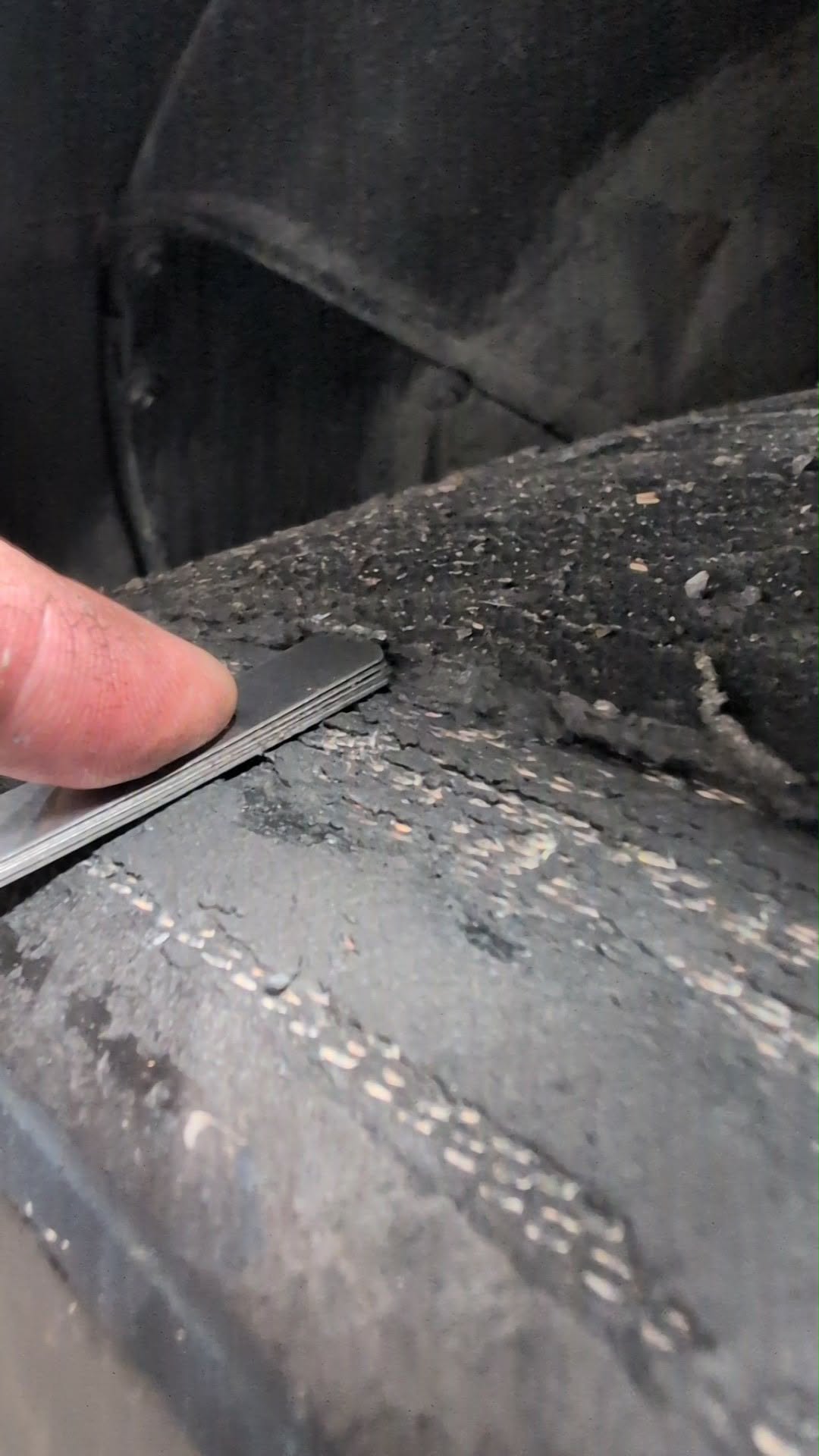
Once Jesse got the C5 Corvette back to the shop though, that's when the full "depth" of the tire failure showed up. A significant portion of the outside of the tire had entirely sluffed off it would appear, leaving a shoulder where it had done so.
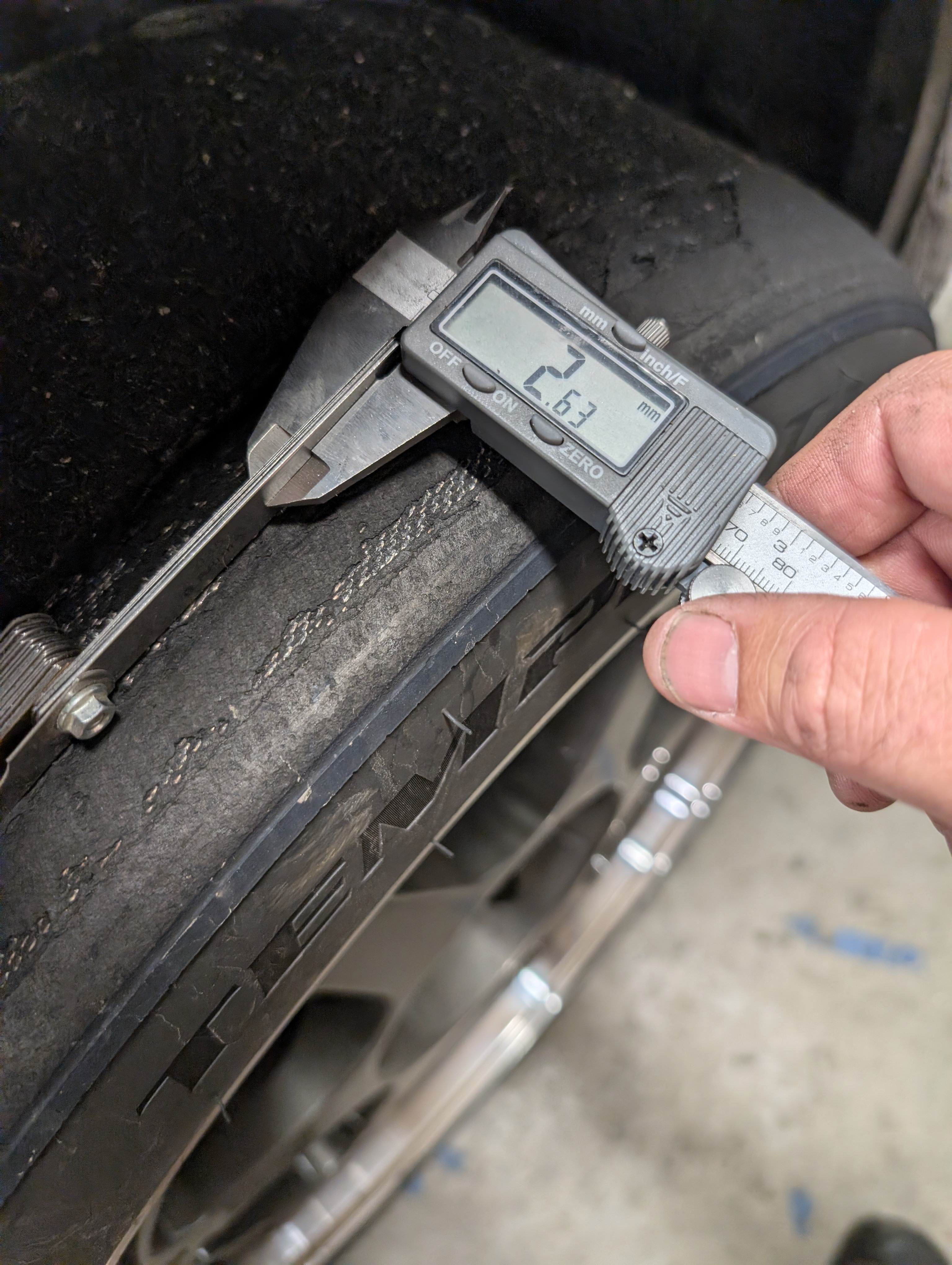
Here you can see just how much of the tire sluffed off, 2.6mm. Given the tires starting tread depth of 4.6mm, this is a pretty significant amount of shoulder to lose!
Now it's worth noting at this point that Jesse was running -2.9 degrees of front camber, and had both string aligned the car during the offseason and then had it aligned professionally as well after he added in new rear lower spherical control arms. The car was twice aligned, and one more time verified with a final string alignment at the shop to confirm.
It's also worth capturing that Jesse took tire temperatures at the track, and you can read all about the specific over in his article on the Vitour Sonics.
What Will It Take To Run the Sonics On Your C5 Corvette?
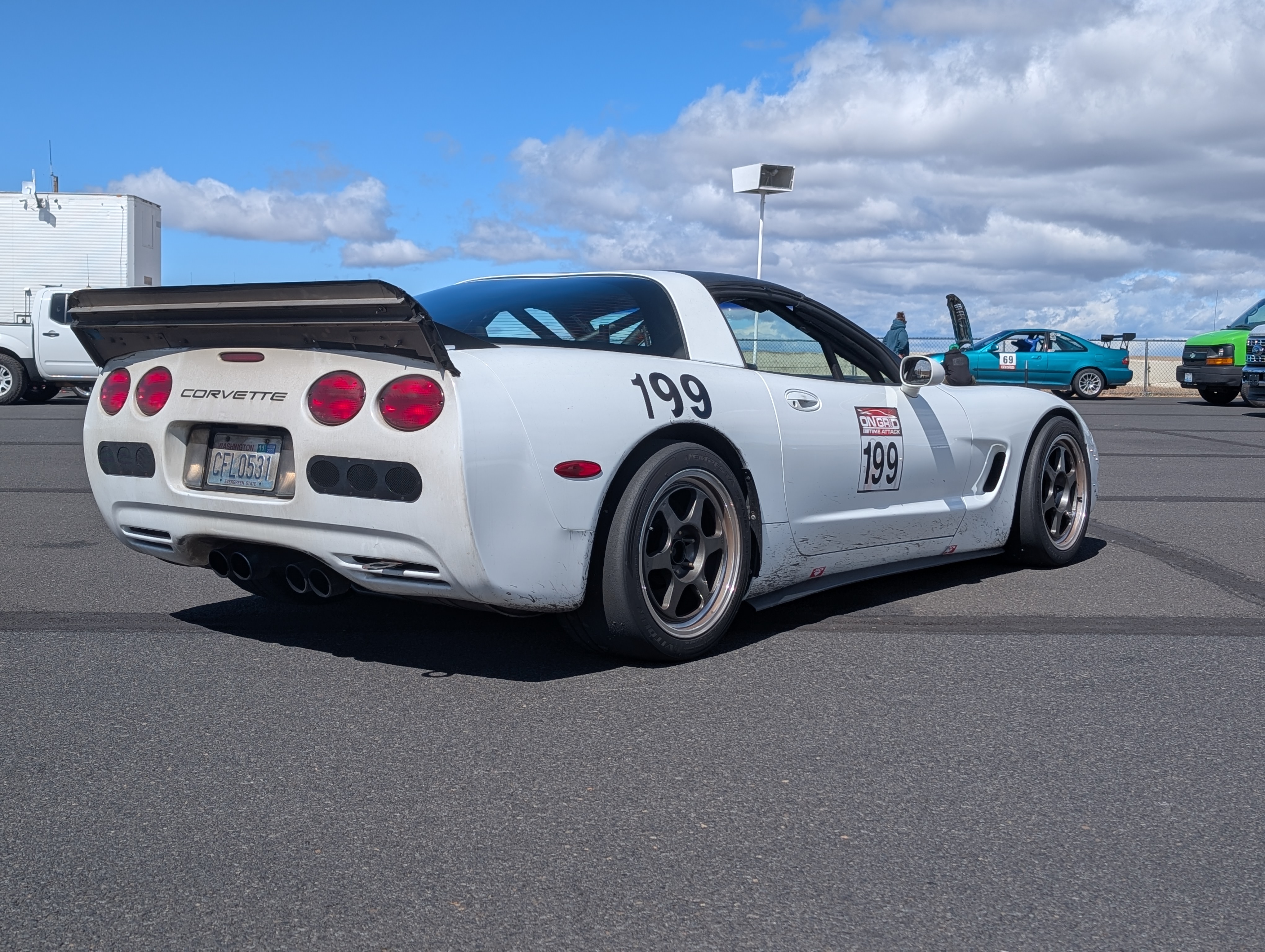
So Jesse of course shared these issues with Dallas Reed over at Vitour, and the findings there were illuminating. Per said conversations, Dallas was noting teams were seeing success with their tires at around -3.6 degrees to -4 of camber, and attributed the early outside tire failure to Jesse only running -2.9 degrees of camber. A fair assessment, though Jesse's tire temperatures showing higher inside temperatures than outside were concerning with the failure pictured above.
Knowing all of this, what would it take to get this much camber on your C5 Corvette? Is it even possible?
A community post within the Trackable Corvettes Facebook group showed the vast majority of Corvette owners maxed out their front camber at -3 degrees. While several folks claimed more was possible, only a very select few of reliable sources could confirm first hand they could get beyond -3 degrees of front camber. Nobody mentioned getting beyond -2 degrees of camber in the rear of the C5 Corvette, with a few folks and even our author Jesse pointing out that at -1.6 degrees of camber in the rear the tires were rubbing the inner fender wells at full compression.
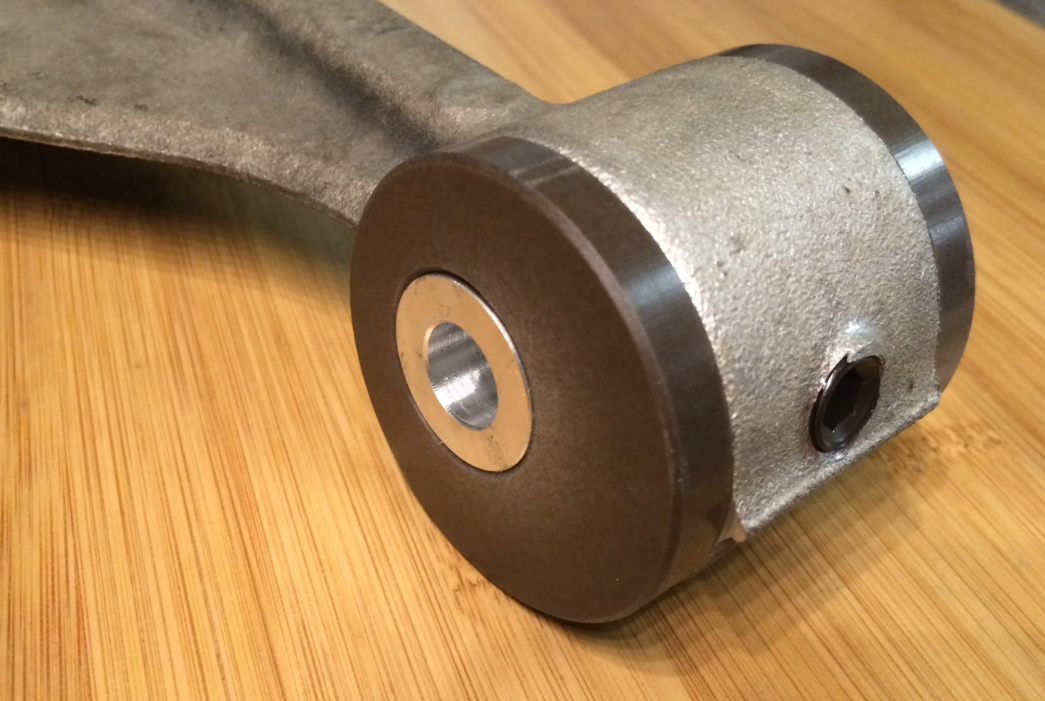
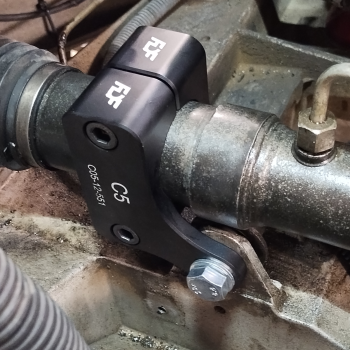
There are of course modifications you can make to the C5 Corvette that can help with this. You can get offset control arm bushings like these ones offered from Borg to help get some additional camber out of your C5 Corvette. Be aware though that some clearance issues may occur, and modified bodywork may be needed, either in the form of wider front quarter panels, or an improved clearance rear tub.
Suffice to to say though, the new Vitour Sonics aren't for your average enthusiast. You're going to need be prepared to modify your chassis beyond the modifications most folks run on these cars... but with those modifications you can hopefully get these tires to last, and carry onto the podium or to that new personal best lap time!