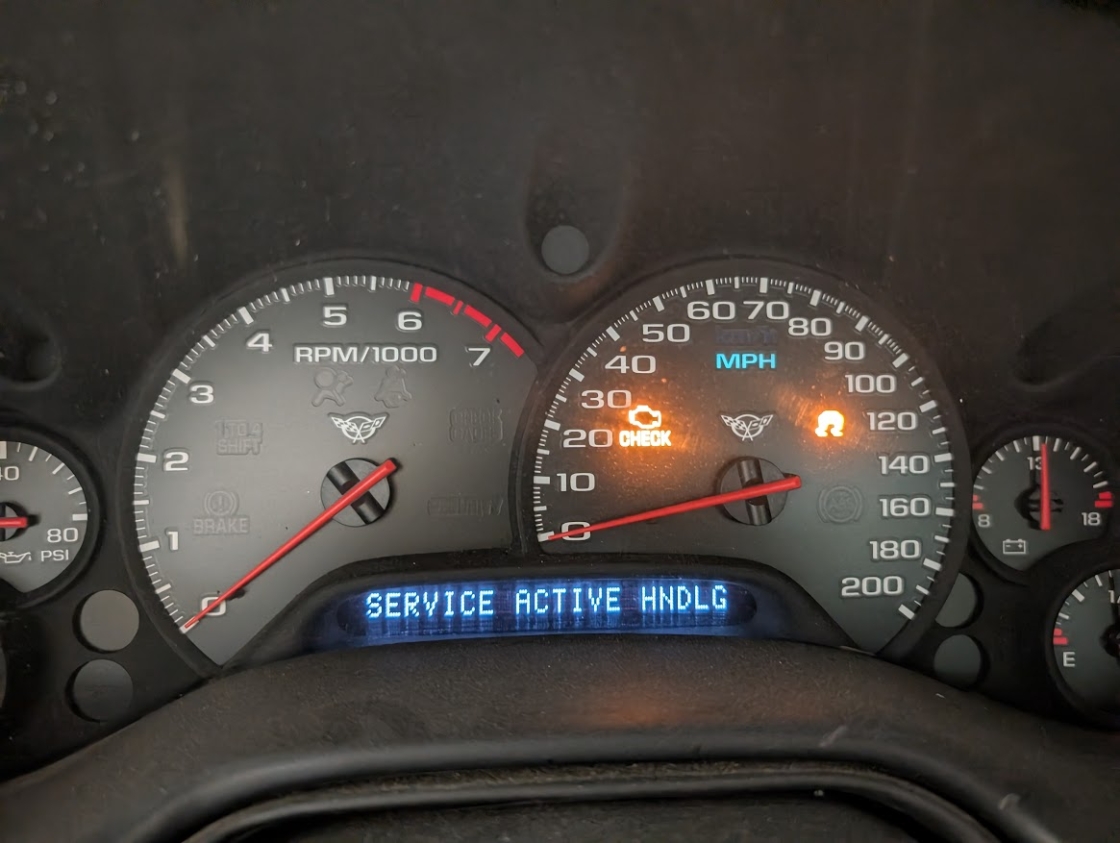
No single point of failure on the C5 Corvette is more prolific than the EBCM failure. It'll light your dashboard up with warnings, take out traction control and ABS with it, and the issue has only gotten worse as the platform ages, as more units are failing and GM discontinued production of the units.
Enter the DIY enthusiast market. Folks have figured out how to troubleshoot the problems, and companies have stepped up to repair the units that can be repaired. Specifically, there's the skilled folks over at ABS Fixer who have a strong track record of fixing the EBCM and ABS units of many different GM vehicles. We worked with them to get the lowdown on these problematic units, and we've got all the info a user could want to know about the EBCM distilled down for your consumption.
Quick Addressing Of The Claim: "You Don't Need ABS!"
We've experienced the claim ourselves: "You don't need ABS, I've been driving for YEARS without it" or "So and So competes at a national level and swears you don't need it." Let's address the two sides of the statement that make it plausible, but also not ideal.
For street driving can you get away without ABS? Absolutely****
Why can you get away with it? Well, the vast majority of folks out there have never had to fully emergency brake before. To then take that a step further... most folks don't even utilize the full braking potential of their car in an emergency situation, and begin with calm brake application, building to full force generally about the time they hit the thing they wanted to avoid. So yes... if you never have a situation come up where you need to emergency brake, in theory you don't need ABS... and we expect you're smart enough to realize how dumb of a belief that would be to hold.
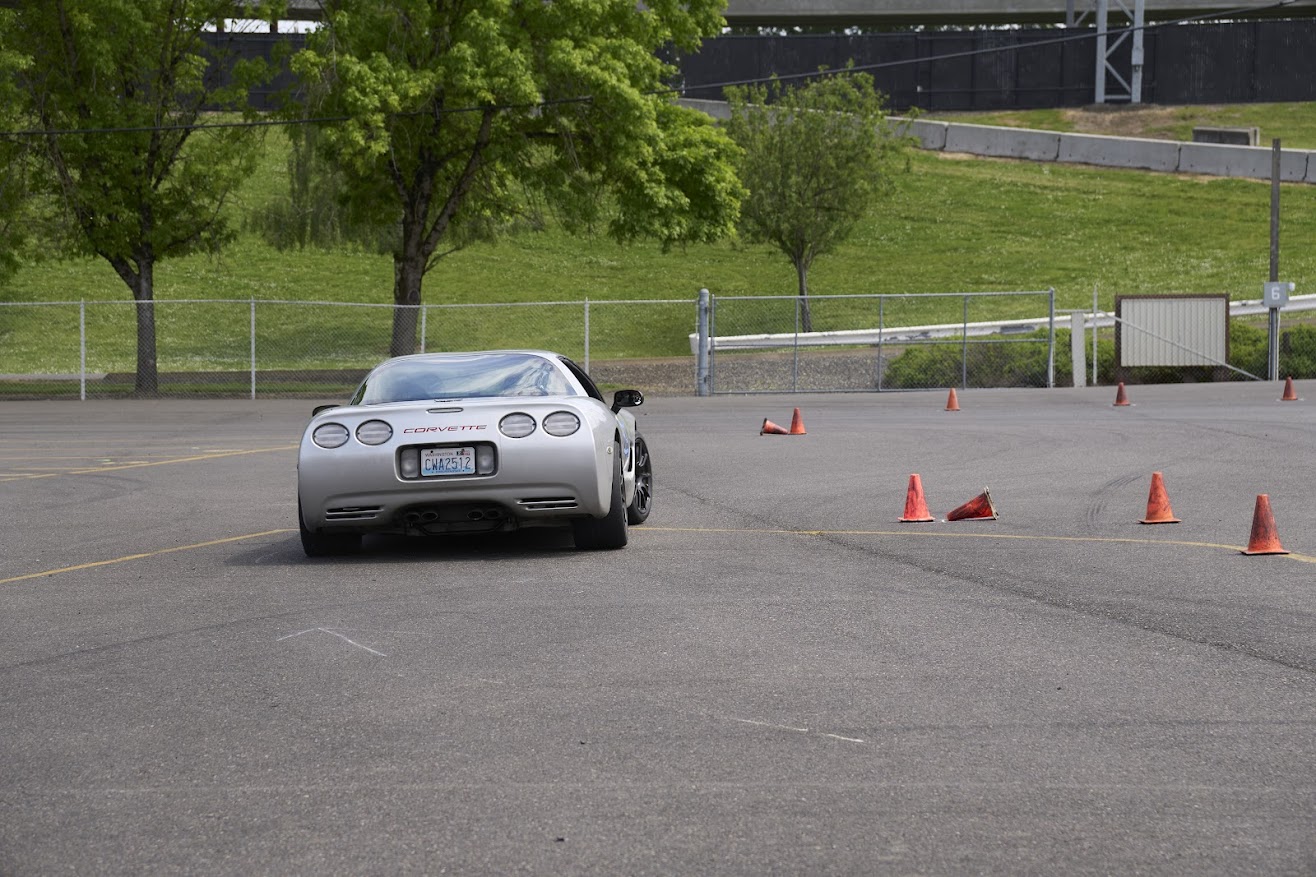
One of our primary authors here at C5 Corvettes, Shred Jesse, not only competes in various events with his C5 Corvette, but he also helps instruct the Tire Rack Street Survival program. In this program students are taken through a wide variety of drills, including emergency stopping from 60mph down to a full stop. While it's rare a non-ABS car finds its way into the course these days, when one is present the difference in stopping distance with ABS over non-ABS is staggering. Non-ABS cars, even with experienced and engaged drivers, still generally plow through the wall of cones at the end of the course. On the other hand, even meek students in ABS cars can come to a stop well before the cone wall.
So say what you will about your driving skills... but oscillating the brake pedal while controlling the beginning of a slide is not something you're going to nail in an emergency situation. Suffice it to say... don't be that cocky guy. Have ABS. Worst case scenario, it's just there for you if you need it.
There's also the statement: "So and So Winner on a National Level doesn't have ABS, it's not needed!"
Perhaps, to maybe... to sure. But are you that national-level competitor? Furthermore, on the way to becoming that national-level competitor, are you cool with the idea that if you accidentally notably lock up the brakes into a slide you're going to flat spot a set of $2000+ tires? How about an unexpected situation like a spill on the track, got plans for that?
Ultimately: Odds are not in favor of even highly skilled drivers having a surprise adrenaline-inducing brake lockup combined with a slide event go well for them without ABS... and even if you reasonably recover, that flat spot is going to cost you 10x more than the ABS fix. So unless you have a national-level trophy that you had to win 5 events in a row to get within eyesight of you... you probably would benefit from ABS.
First, What Does EBCM Failure Even Look Like?
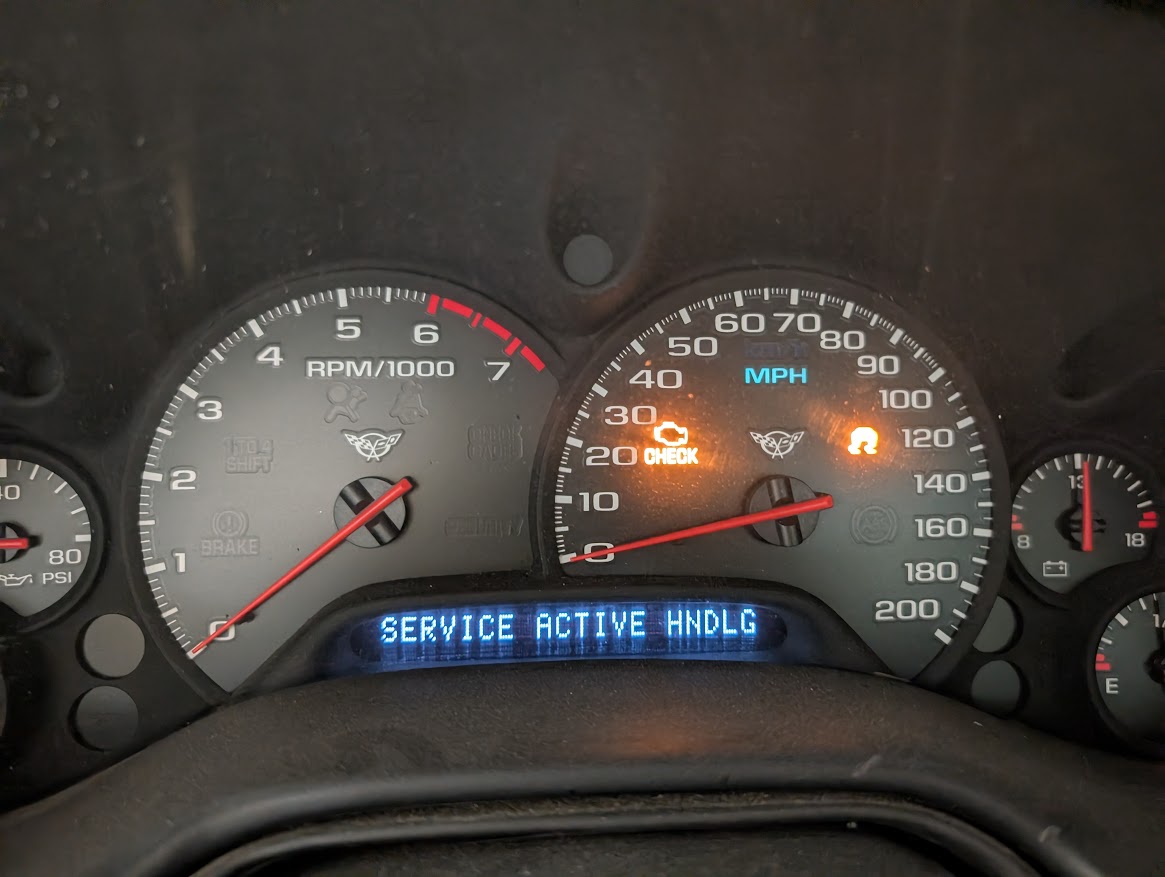
Generally EBCM failure will show up on your dashboard as a warning on startup, along with your ABS and traction control light coming on all at once. It's pretty obvious if you've got it, and if you don't then you can rest easy knowing your EBCM is fine for the time being. If you've only got one or two warnings, or just traction control or other such messages... keep reading, but take a deep breath, your issue may be something simpler.
Now let's say you've got a clear EBCM failure or signs of a maybe EBCM failure. The next thing to know is that there is a split in the EBCM design that occurred in the 2001 model year for C5 Corvettes. The 2000 and prior units are generally not serviceable, but the 2001 and above units have a common failure mode that the 2000 and prior do not... so neither is necessarily superior to the other, but your options will be limited based on which you have.
Where To Start When Troubleshooting EBCM / TCS / ABS Issues
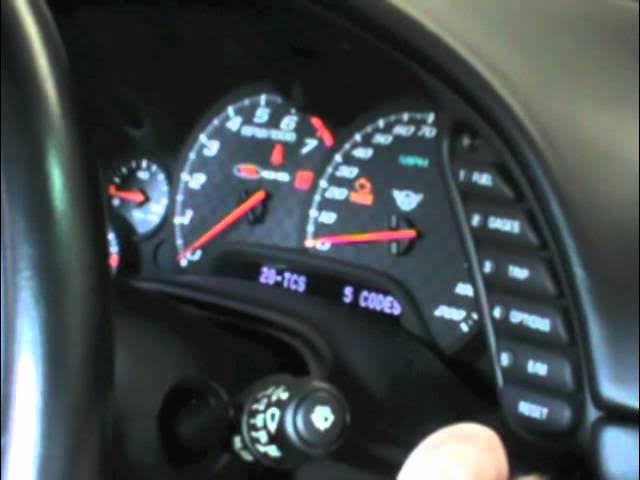
The first thing you're always going to want to do is pull the codes you are seeing for EBCM and TCS via the DIC (dash). Check out the linked article, no special tools are required. You'll also want to check your "maxi-fuses" on the fuse block, there should be a 10a and a 60a fuse you will want to confirm aren't blown. Also be sure to check your ignition switch, as some faulty connections there have been known to be related to EBCM no comm failures.
You'll first want to rule out any codes that are causing a failure but likely aren't related to the EBCM. These sorts of failures include codes for wheel speed sensors. These sorts of failures are frequently just a plug was left unplugged after some recent labor, or the wires got damaged. This can all be reasonably fixed by a DIYer and doesn't require sending your unit out. There are also various sensors in the C5 Corvette that can fail over time and can sometimes be sourced from wrecking yards like All American Classics. They've got piles of C5 Corvettes as they just pull the engines out for folks swapping classic cars over to modern drivetrains.
Let's say though you've ruled out all of the sensors and are left with a bunch of trouble codes. This is where you'll need to continue onward to the applicable model year to see what you can do about it.
2000 and Prior C5 Corvette EBCM Failures
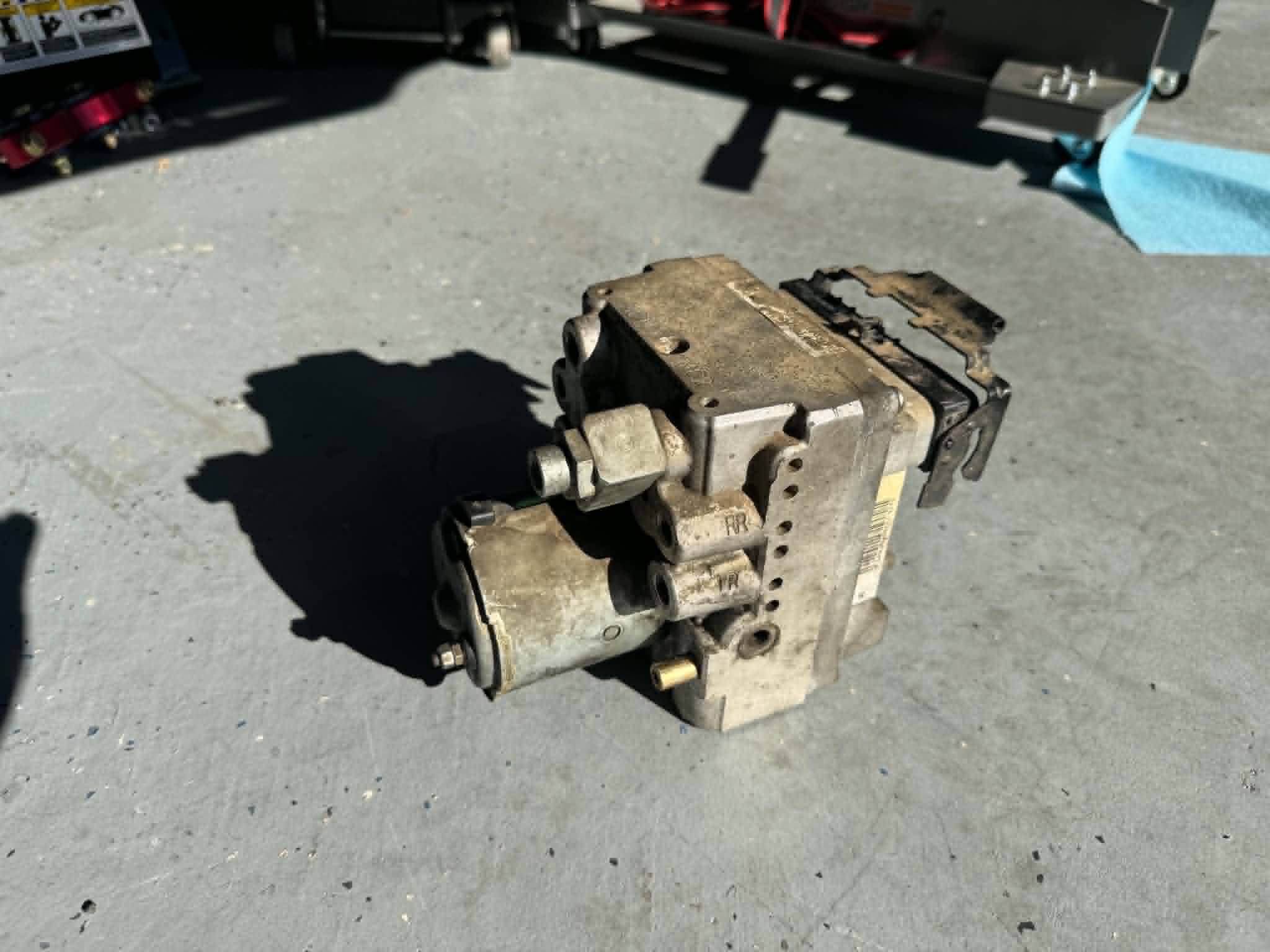
So as mentioned, the 2000 and prior C5 Corvette EBCMs are generally a lot less serviceable, and we're sorry to be the bearer of bad news if you find yourself in this boat. Fortunately for early model year C5 Corvette owners, the EBCMs were a bit less prone to failure, as they had slightly superior circuitry design that did not "shock" parts of the EBCM under heavy ABS events.
There's only two codes relating to the EBCM that ABS Fixer can repair: C1242 & C1243. If you're lucky, you can fix these. If you're not so lucky, then the option is replacement. You can source units on Ebay, or you can source units from wrecking yards like All American Classics. Fair warning though, replacement units generally fetch $1500 these days, and replacing them requires swapping out the entire EBCM and ABS pump block, which means you'll need a tool that allows you to do ABS bleeding. We highly recommend the Thinkdiag 2 BiDirectional OBD2 Scanner for both troubleshooting systems on your car and being able to perform functions such as ABS bleeding. It works with your current phone as well, which makes life easy.
Now there are a few nuclear options left on the table for you.
- Swap to a 2001+ EBCM. It's been done, though the task was involved.
- You can upgrade to a Bosch MK60 unit. The ABS functionality is vastly superior to that of the OEM unit, but prepare for some spendy costs and hours in the shop.
- There is the aftermarket Delta ABS option. We can't find any instances of this having been installed on a C5 with success... but in theory it's plausible.
2001 to 2004 C5 Corvette EBCM Failure & Repair
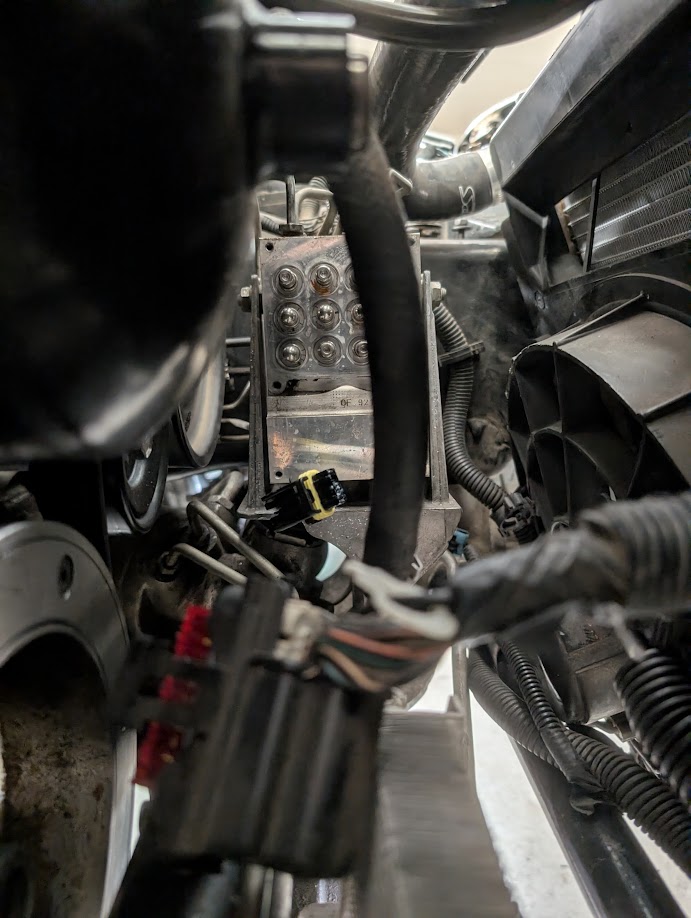
The 2001+ EBCM is the actually repairable unit, but it also has a known issue that leads these to fail more than the early units. Incidentally, you can preemptively get your unit upgraded to prevent this and ensure it lives a long, happy life, and ABS Fixer highly recommends this. All of that said though, let's say you've got an 01+ C5 Corvette, you didn't do the upgrade, or maybe another failure mode occurred... what are you to do?
Hopefully you followed our steps above and either pulled codes, or got the all too common "NO COMM" message for your EBCM unit. If you have that NO COMM message, or any of these codes, you can send the unit in for repair: C1214, C1215, C1216, C1217, C1218, C1242, C1265, C1267, C1273, C1274 & P1571. Got something different and brake-related or speed sensor-related? Contact ABS Fixer, they'll let you know what you can do or what they can do for you. The most common failure however tends to be NO COMM, and ABS Fixer finds they've got about a 90-95% success rate repairing things.
Now, can you DIY repair these yourself? Sort of. Some folks have had success. The most common failures exist in the relay section, which is why re-soldering gets the most attention online and people tell folks to solder connections. This sometimes fixes the problem, but often can make things worse. ABS Fixer's advice: If you aren't familiar with how to do electronics work, this isn't the place to learn it.
Now what exactly does ABS Fixer do? ABS Fixer finds that the relays often need to be replaced, especially if 1214 codes are present. Relay control circuitry also often needs attention, along with reflowing the solder. Pump control failures can fail as well, which is generally transistor-failure related.
Now here's the key thing you should consider for your 01+ EBCM, even if you don't have issues: the power supply upgrade.
Both ourselves and ABS Fixer strongly recommend adding the EBCM power upgrade and surge suppressor to any C5 Corvette ABS module. The factory design uses a wire-wound inductive motor circuit, and when power is suddenly interrupted, the collapsing magnetic field inside that motor generates a large voltage spike. In some cases, that spike can reach several hundred volts for a few milliseconds. While extremely brief, those repeated spikes act like an electrical sledgehammer against the sensitive electronics inside the EBCM over time. The surge suppressor upgrade helps absorb and control that energy, reducing the spike to a much safer and more manageable level and helping improve long-term reliability of the module.
So there you have it. The Solutions to the C5 EBCM Woes.
We're lucky to have enough information known and captured about the C5 EBCM, along with a great repair shop like ABS Fixer who is keeping our C5 Corvette brakes from locking up on us. Definitely check out ABS Fixer, or see just how well their ABS repair worked for us in the Dead to Shred Series #5.